The Mud Room: Itinerant Artists, Folk Spectacles, and Painted Walls
Matthew Lutz-Kinoy, Natsuko Uchino, Kazunori Hamana
Amant
315 Maujer Street, Brooklyn NY 11206 (walking directions in Google Maps, opens in a new tab)
Through Nov 29
Open Thu 12pm-6pm, Fri 12pm-9pm, Sat-Sun 12pm-6pm
Map
Smaller pins are other institutions within a mile of Amant
The Preread


Press Release
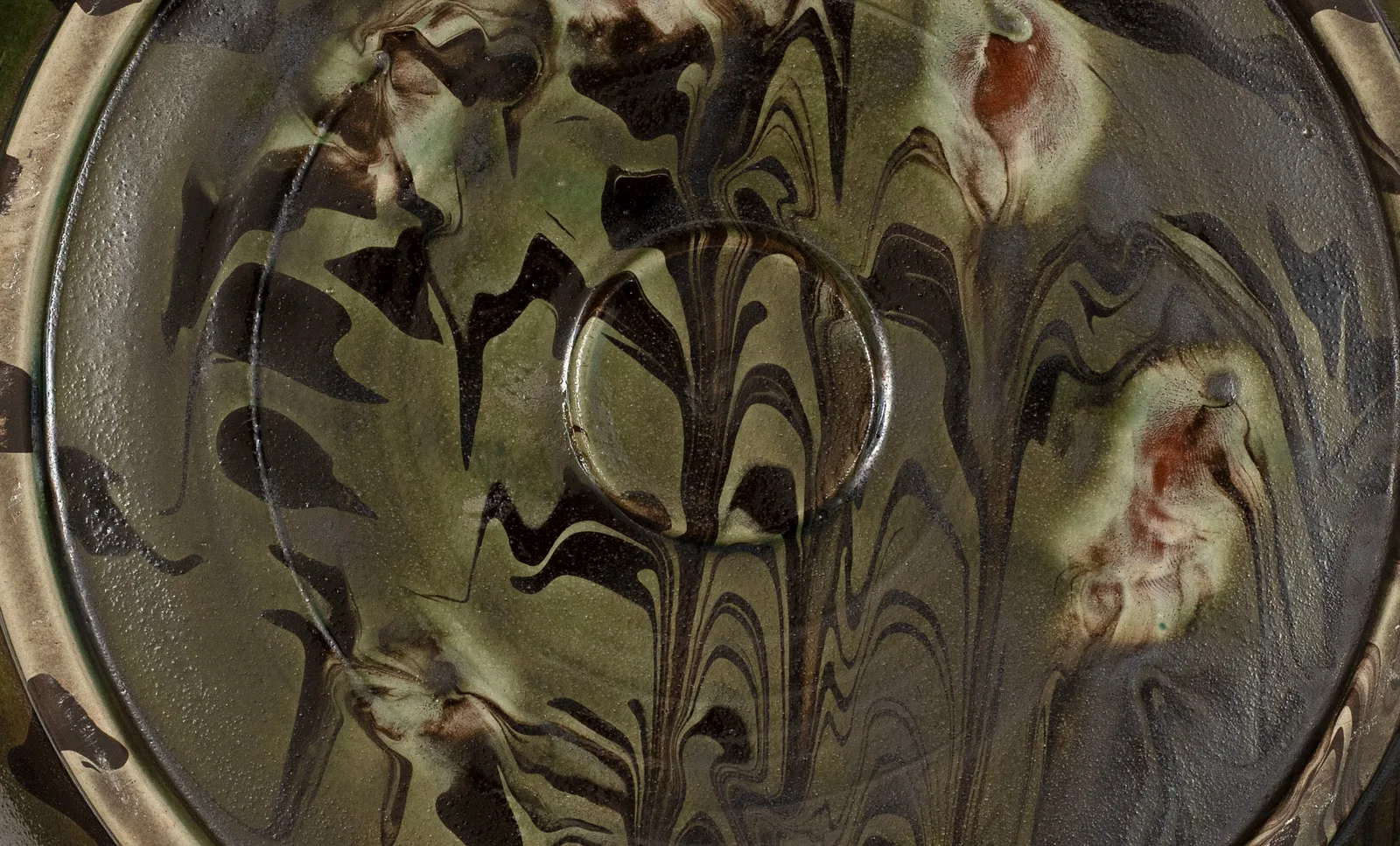
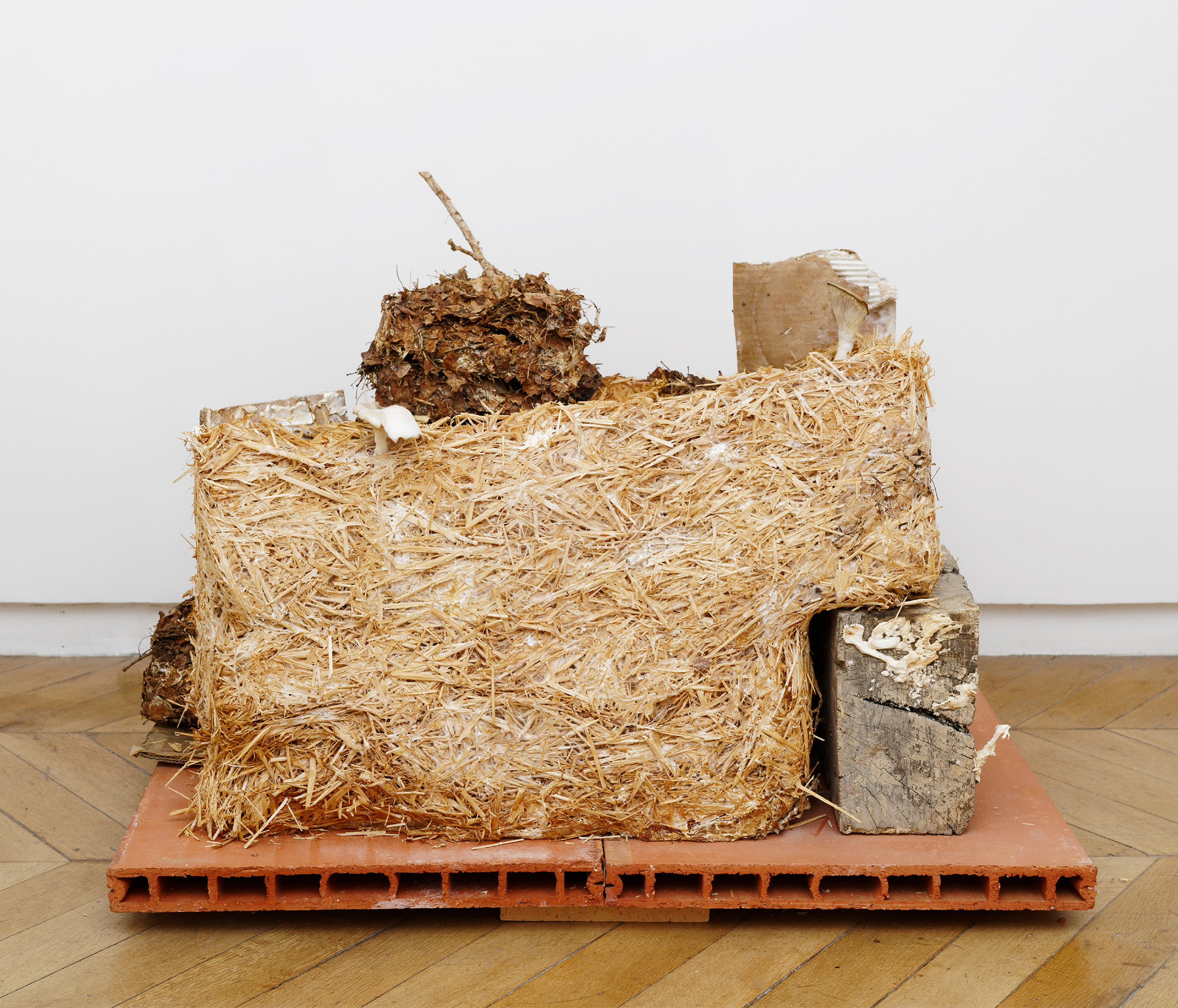
The Mud Room: Itinerant Artists, Folk Spectacles, and Painted Walls is an exhibition by Matthew Lutz-Kinoy, developed with visiting collaborators Natsuko Uchino and Kazunori Hamana. Reflecting on the work and positions of artists, artisans, potters, and muralists whose lasting impressions on society have shaped our domestic and public spaces, the exhibition at Amant considers the gallery as a ceramic studio and the studio as a theater—a stage hosting narratives of collaboration, transmission and influence. Developed as a theater-in-the-round, a ceramic workshop sits at the center of Amant's AZ gallery. Throwing wheels, a kiln, and a working platform anchor the gallery as a site of production, where ceramics are created after hours throughout the run of the exhibition. The pottery studio and its audience are surrounded by four large paintings functioning as backdrops. Within this painted environment—inspired by movements of North American art, specifically post-war muralists and public art movements across New York City—the exhibition brings histories of craft as performance onto the stage.
Lutz-Kinoy traces lineages while registering a wide range of biographical and art-historical reference points: from Aaron Douglas's 1934 Public Works of Art Project (PWAP) four-panel mural, Aspects of Negro Life, at the Schomburg Center for Research in Black Culture; to Philip Guston and Reuben Kadish's monumental mural, The Struggle Against War and Fascism (1934–35), in Morelia, Mexico; to Keith Haring's public murals executed across schools, hospitals, and cities. Emerging from different historical moments, these artists share a commitment to painting, social space, labor, and collective life. Through his work, Lutz-Kinoy positions content in the divide between public art and studio practice, abstraction and communication, artist and artisan.
The paintings created for The Mud Room represent a broader visual tradition where the histories of muralism and craft frame live studio activity. Painted canvas and translucent muslin channel historical American muralists, while on the central stage, Lutz-Kinoy's collaboration with Natsuko Uchino and Kazunori Hamana extends this dialogue, drawing on the latter two artists' practices in agriculture, daily life, local materials, and shared labor. The studio acts as both scenography and architecture, forming a backdrop for the circulation of tools, wet clay, and people. By integrating artist dialogues, culinary gatherings, and theatrical performances, The Mud Room frames ceramics as a form of historical continuity where knowledge is transmitted through the body, through touch, and through making.
Source: Amant