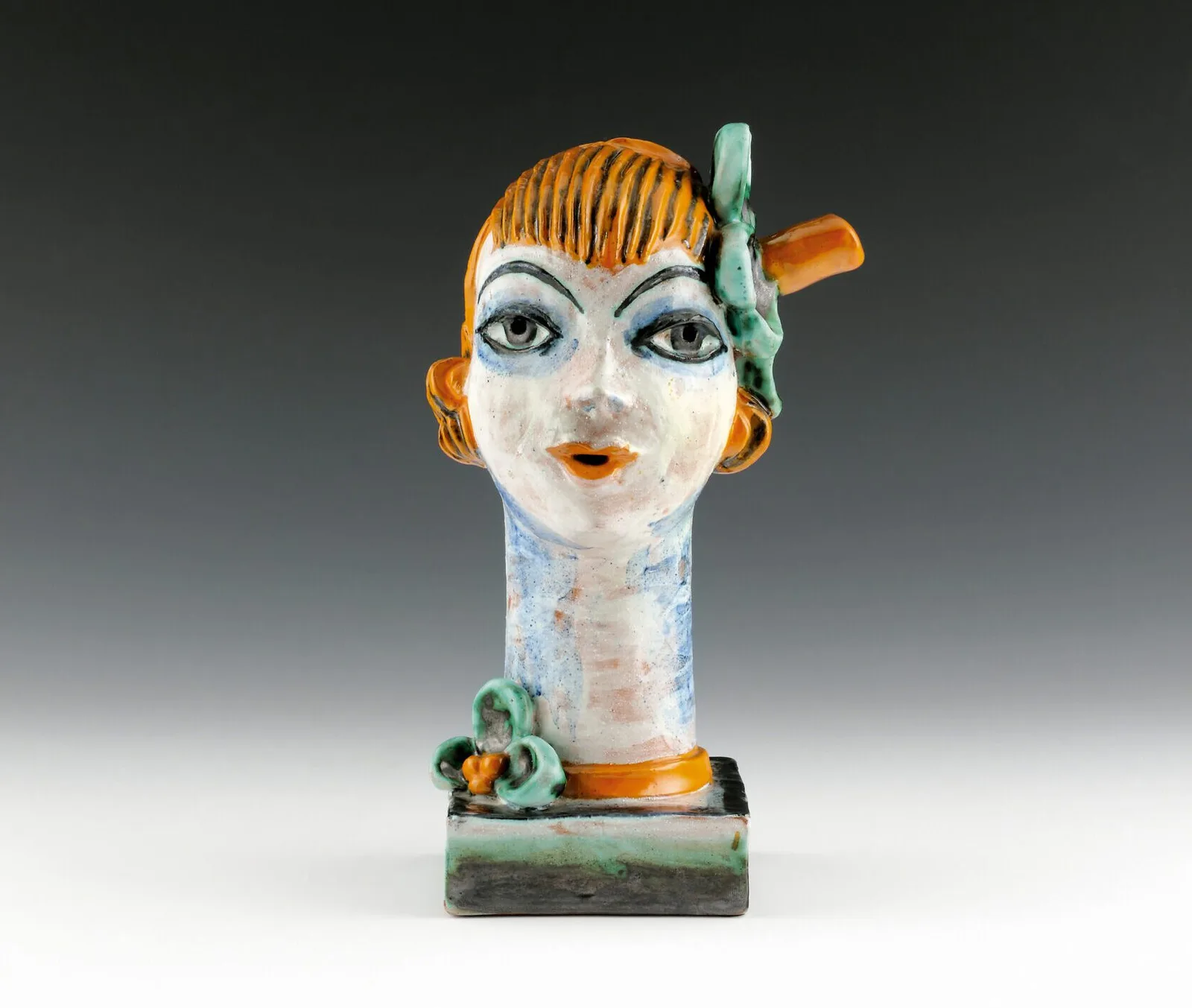
Modernity and Opulence: Women of the Wiener Werkstätte
Vally Wieselthier, Felice Rix-Ueno, Alice Fischer, Mea Angerer, Susi Singer, Hilde Blumberger
Jewish Museum
1109 Fifth Avenue, New York, New York 10128 (walking directions in Google Maps, opens in a new tab)
Through Nov 15
Open Mon 11am-6pm, Thu 11am-8pm, Fri-Sun 11am-6pm
Map
Smaller pins are other institutions within a mile of Jewish Museum
Coverage
- New York exhibition explores how the Wiener Werkstätte ...The Art Newspaper
- How Jewish Women Helped Shape Modern DesignArtnet News

Exhibition Description
Modernity and Opulence: Women of the Wiener Werkstätte sheds new light on the role that Jewish women played as artists, designers, patrons, and tastemakers shaping modernist aesthetics in early 20th-century Vienna and beyond.
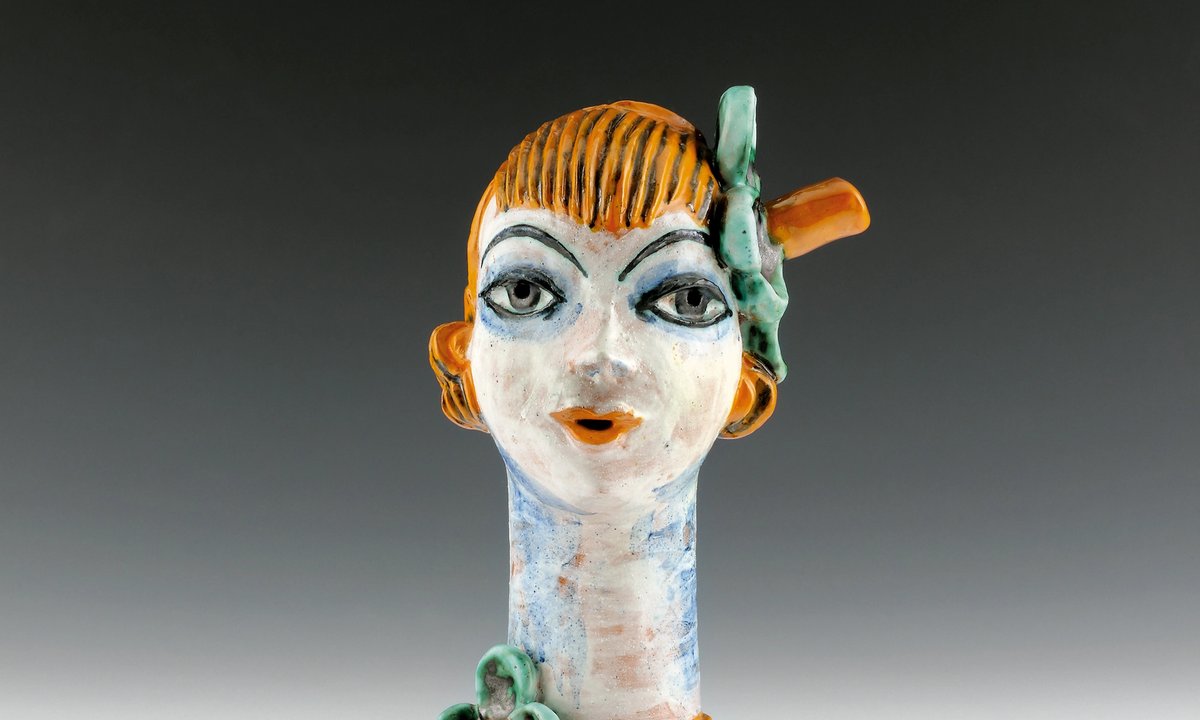
With more than 200 objects by some 30 Jewish women artists on view, the exhibition is organized thematically to reveal the extraordinary range and technical prowess of the women of the Wiener Werkstätte across mediums. A special emphasis is placed on Vally Wieselthier and Felice Rix-Ueno, whose prolific work, in ceramics and textile design respectively, has had lasting influence on these disciplines. The exhibition also provides a meaningful reintroduction to the work of artists whose work is less well-known today, and a platform for exploring their impact in the context of art and design histories.
Active from 1903 to 1932, the Wiener Werkstätte was founded by architect Josef Hoffmann, artist Koloman Moser, and industrialist art collector Fritz Waerndorfer as a multidisciplinary collective and commercial enterprise that embraced the synthesis of art and life (gesamtkunstwerk) as an essential condition of modern living. The establishment of the Werkstätte, which designed, produced, and sold high-quality goods, coincided in mutually supportive ways with the burgeoning economic opportunities available to women in Vienna during this same period.
Modernity and Opulence reveals recent scholarship, which has identified approximately one quarter of the nearly 200 women artists known to have worked for the Wiener Werkstätte as being of Jewish faith, descent, or having Jewish families. This exhibition marks the first in-depth presentation of the Jewish women—artists and patrons alike—who helped shape the defining modernist ideas and aesthetics of the Wiener Werkstätte.
Source: Jewish Museum